Design for Everyone
Inclusive design creates spaces where everyone belongs, regardless of age or ability

Building Homes that Work for All People
Inclusive Design is the practice of creating environments that are inherently usable by everyone. Building on the foundation of Universal Design, Inclusive Design removes barriers before they exist, making everyday spaces accessible, welcoming, and dignified for people of all ages and abilities.
- Accessible from the start, not as an afterthought
- Designed for people across all life stages and abilities
- Creates dignity and independence in daily living
Moving Beyond Compliance: A New Standard
The goal is to move away from just checking boxes to a culture that values diverse perspectives from the start.
The Minimum
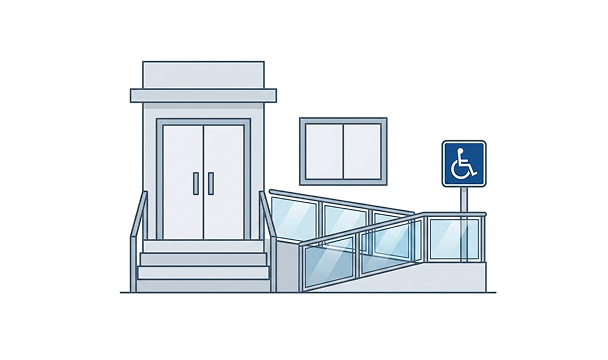
Accessibility
Focus: Compliance (ADA)
Definition: Meeting code checklists (e.g. door width, ramp slope).
Limit: Often an afterthought, resulting in undignified “separate” entrances.
The Outcome
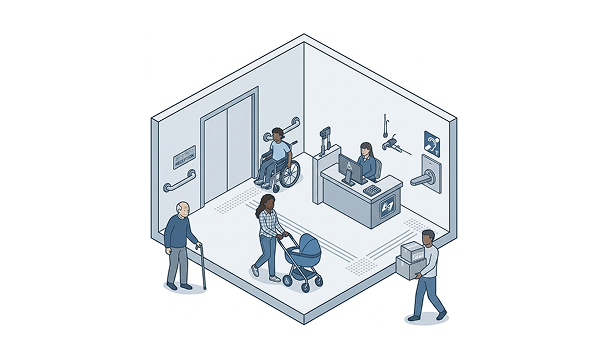
Universal Design
Focus: Designing for All
Definition: Environments usable by the greatest number of people without adaptation.
Principles: Equitable Use, Flexibility, Low Physical Effort.
Key Insight: The Seven Principles of Universal Design guide design conversations and decisions.
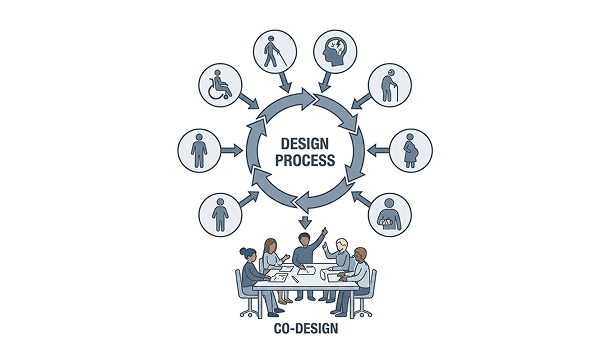
The Process
Inclusive Design
Focus: Designing With
Definition: A methodology drawing on the full range of human diversity.
Key Insight: Involves people with disabilities in the design process to overcome bias.
Where Inclusive Design Meets
Real Impact
Inclusive Design is grounded in The 7 Universal Design Principles that work together to achieve 3 meaningful outcomes. Each one plays a role in creating spaces that are more inclusive, functional, and effective for everyone.

Usability
Spaces work intuitively for people of all abilities without requiring special adaptation or assistance.

Welcoming Environments
Design removes barriers before they exist, making entry and participation natural for everyone.

Diginity for All
People maintain independence and self-respect in everyday spaces, never feeling excluded or diminished.
Inclusive Design is not a synonym for accessibility.
Accessibility often focuses on minimum compliance—meeting prescriptive codes or standards, usually after a need arises. Inclusive Design is performance-basedand proactive. It considers how people actually move, live, visit, recover, age, and gather in a space.
Accessibility says:
Inclusive Design says:
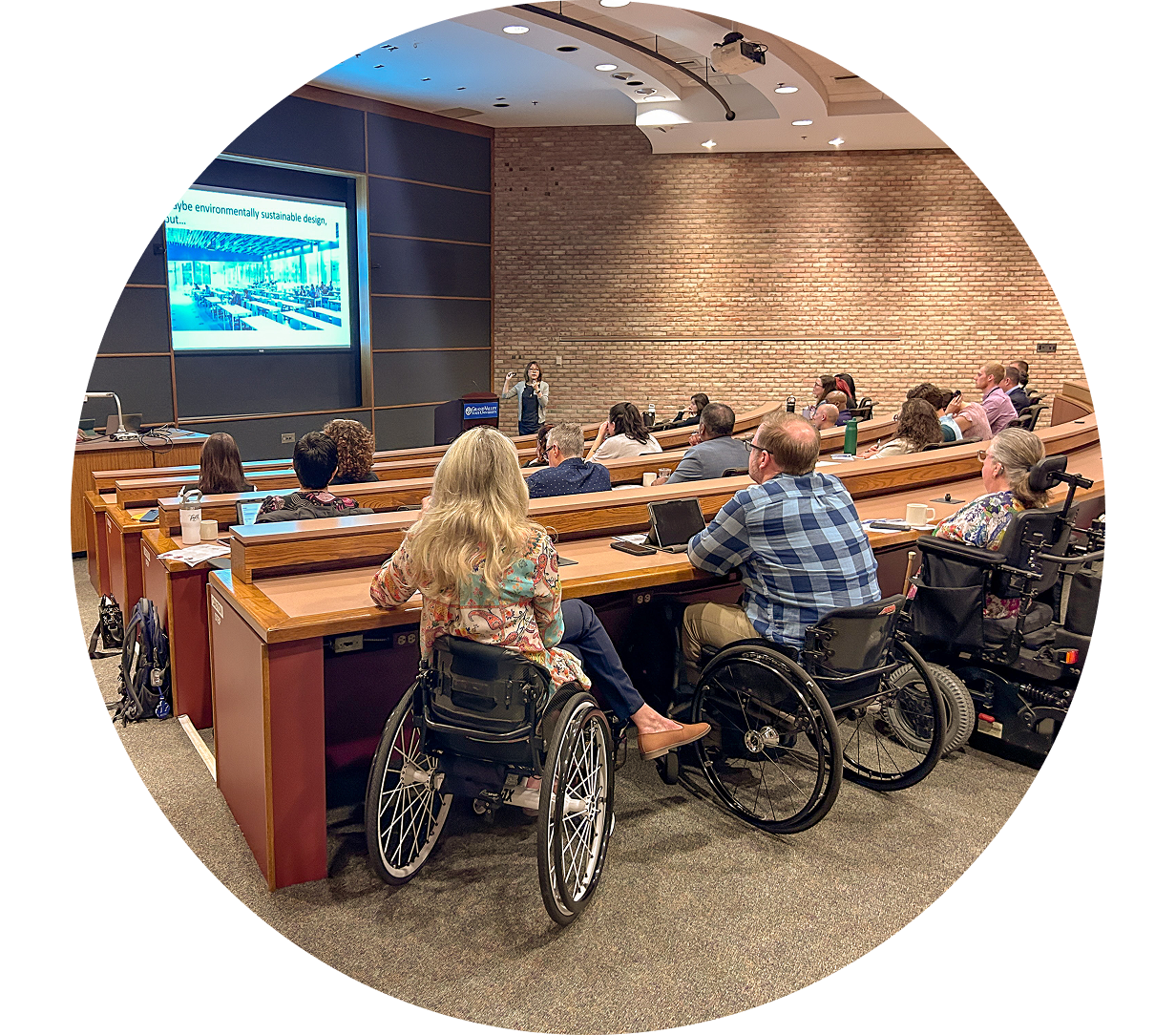
Inclusive Design Resources
Prototype Templates
Planning and Zoning Toolkit
Videos on Real Spaces
Prototype Templates
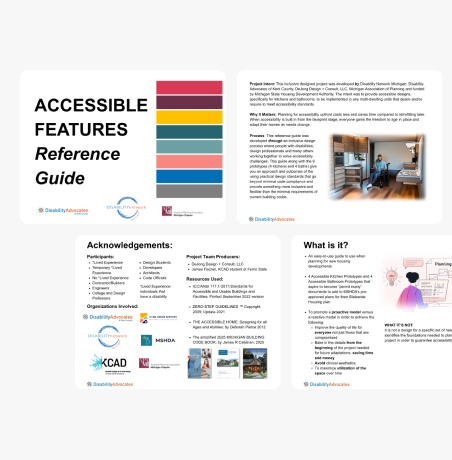
Beyond Code Minimums: Designing Accessible Kitchens & Bathrooms Reference Guide

Kitchen Templates
Tools to Guide Your Work
The resources below can equip municipal planners, community development professionals, design professionals, advocates, and elected and appointed officials, with the tools and resources they need to make regulatory changes that will make building accessible and accommodating homes and spaces reachable.
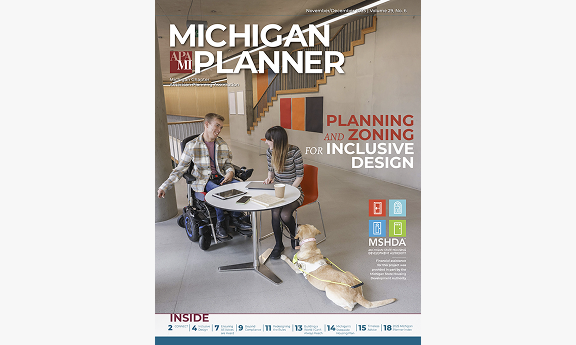
Michigan Planner: Planning and Zoning Toolkit for Inclusive Design
This issue of the Michigan Planner magazine introduces the Planning and Zoning Toolkit for Inclusive Design. It was developed with input from a diverse steering committee, addressing barriers in the built environment and includes expert perspectives highlighting strategies to improve inclusivity and quality of life.v

Inclusive Design: Community Engagement and Communications Strategy
This communications strategy provides a flexible framework to strengthen public outreach and support collaborative, community-driven solutions for inclusive design. It outlines ways to engage key partners—such as local governments, developers, and residents—while offering adaptable messaging approaches across channels like social media, forums, and newsletters.
Planning and Zoning Toolkit for Inclusive Design Webinar
Recorded in February 2026, this webinar introduces the Planning and Zoning Toolkit for Inclusive Design and demonstrates how municipalities can integrate inclusive design principles into planning, engagement, zoning codes, and local programs. It also features Michigan communities sharing real-world projects and initiatives that have positively impacted residents.
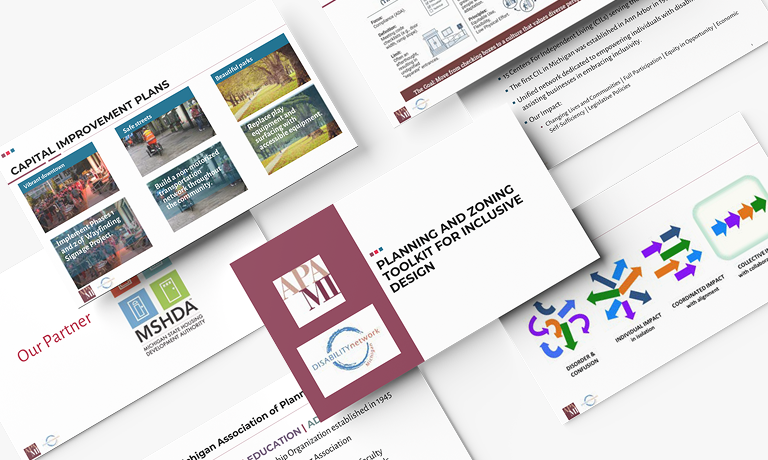
Planning and Zoning Toolkit for Inclusive Design Powerpoint
Powerpoint slides from a webinar, introduce the Planning and Zoning Toolkit for Inclusive Design and demonstrates how municipalities can integrate inclusive design principles into planning, engagement, zoning codes, and local programs. The slides also feature Michigan communities sharing real-world projects and initiatives that have positively impacted residents.

Planning and Zoning Toolkit for Inclusive Design Reference Guide
The Inclusive Design Toolkit promotes moving beyond minimum legal compliance toward a proactive approach that integrates the needs of diverse users early in planning, supported by zoning reforms that modernize ordinances, expand housing diversity, and streamline inclusive development processes. It emphasizes that successful implementation requires municipal leadership, collaboration with the disability community, targeted education and guidance, and long-term state-level reforms to address regulatory conflicts and strengthen accessibility standards.
Learn Inclusive Design Through Real Spaces
Lorem ipsum dolor sit amet, consectetur adipiscing elit.
Designing The Entire Home
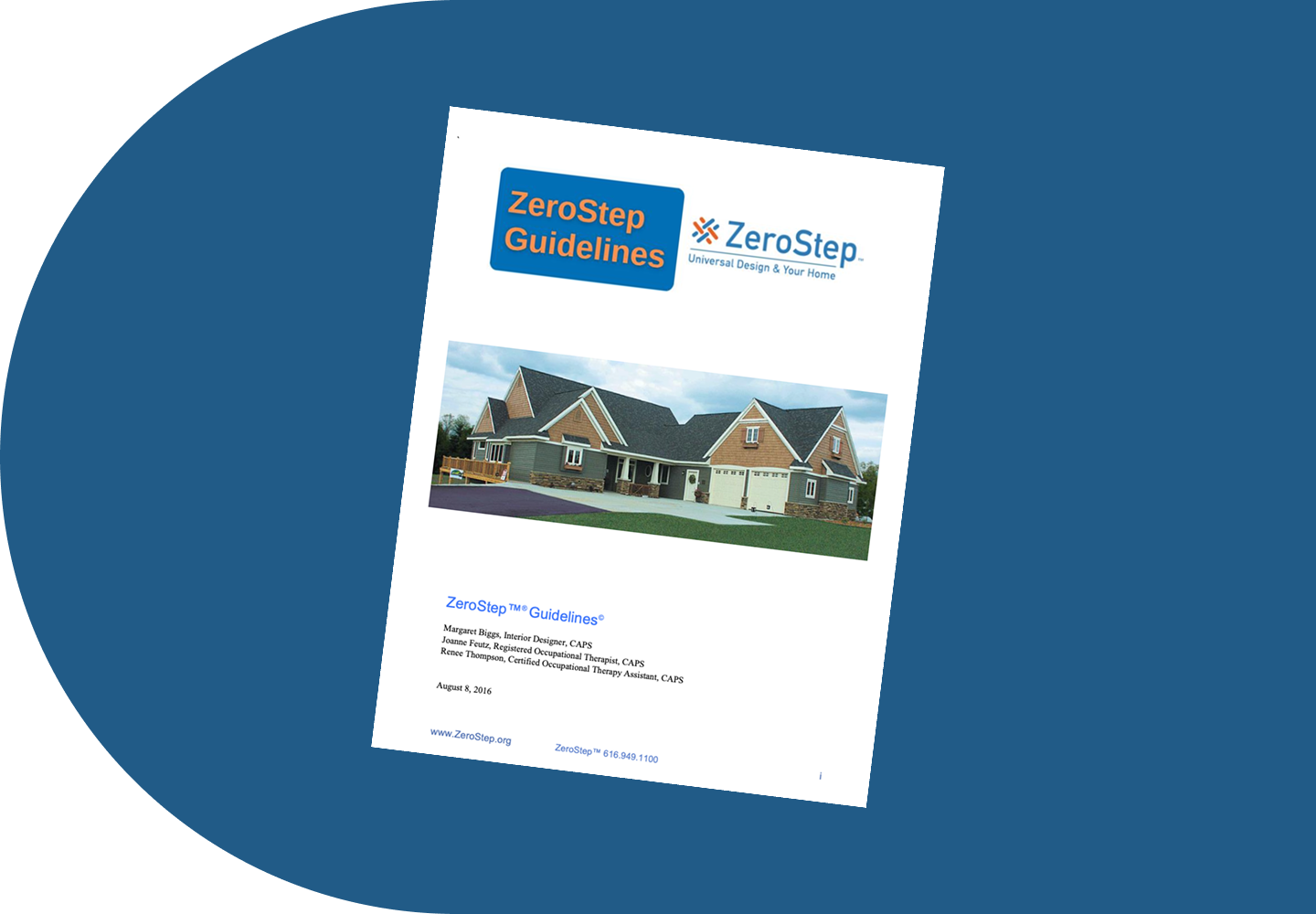
This one-hour overview of Inclusive Design & Residential Construction is rooted in the ZeroStep Guidelines and principles of Universal Design. One CEU is available for viewing this for many licensure requirements.
Contact Nicholette Driggs at nicholette.d@dakc.us for more information.

Bedroom Design

Grab Bars and Toilets

Hallway and Bathroom

Kitchen Essentials

Living and Dining

Zero-Step Changes Everything
The ZeroStep Guidelines offer a comprehensive set of recommendations for each element of a home in order to achieve an Inclusively Designed environment for residents, family and friends. This includes a thorough appendix that demonstrates that each Guideline meets or exceed all relevant building codes and standards.